What makes it special
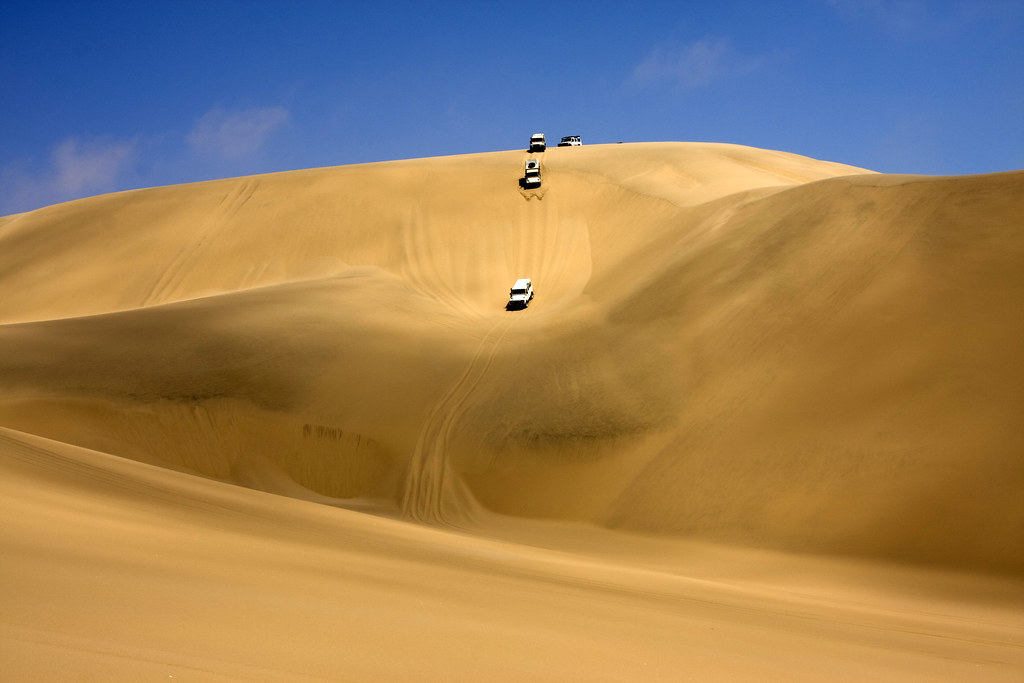
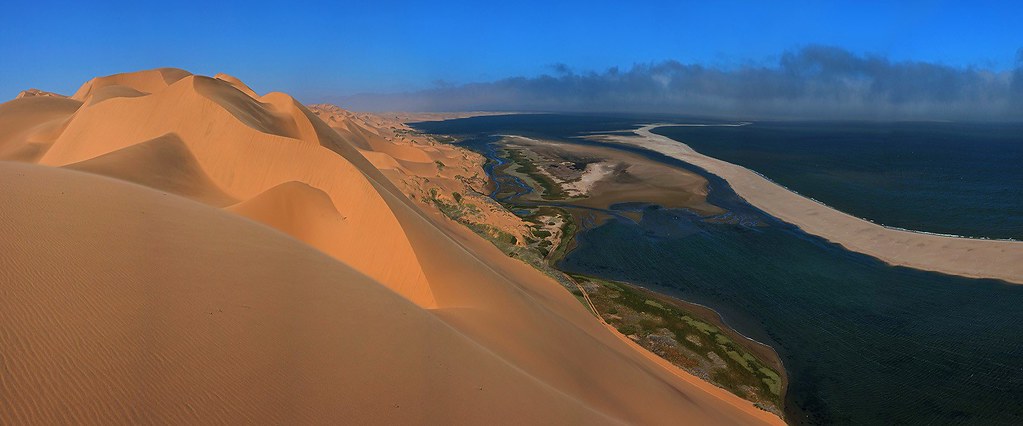
Namibia covers roughly 825,000 square kilometres and holds under three million people, which makes it one of the least densely populated countries on earth. The Namib gives the country its name and its argument: a coastal desert running some 2,000 kilometres along the Atlantic from southern Angola into South Africa, between 50 and 160 kilometres wide, which has held arid or semi-arid conditions for somewhere between 55 and 80 million years. Sources differ and the Atacama has a rival claim, so the sensible line is that the Namib is arguably the oldest desert on earth. It certainly looks it.
Read the full story →Travel Advice & Access
By air. Hosea Kutako International (WDH) sits 45 kilometres east of Windhoek and takes long-haul from Frankfurt, plus regional services from Johannesburg (JNB), Cape Town (CPT), Addis Ababa and Doha. Most clients arrive via a South African hub. Eros (ERS), inside the city, is the light-aircraft airport and where fly-in circuits begin — allow 45 minutes and a separate transfer between the two, and do not let a same-day international arrival connect onto a last charter departure. Walvis Bay (WVB) takes scheduled domestic and some regional services and is a useful start or finish point.
Read the full story →When to Go
May to June — the dry season opens. The rains have finished, the air is clear and the landscape still carries some green. Days run to the mid-twenties and nights are genuinely cold — the desert can touch freezing before dawn, and a client on a 5am balloon flight needs a proper jacket, which they will not have packed. Game is beginning to gather at the Etosha waterholes but has not concentrated yet.
Read the full story →