What makes it special
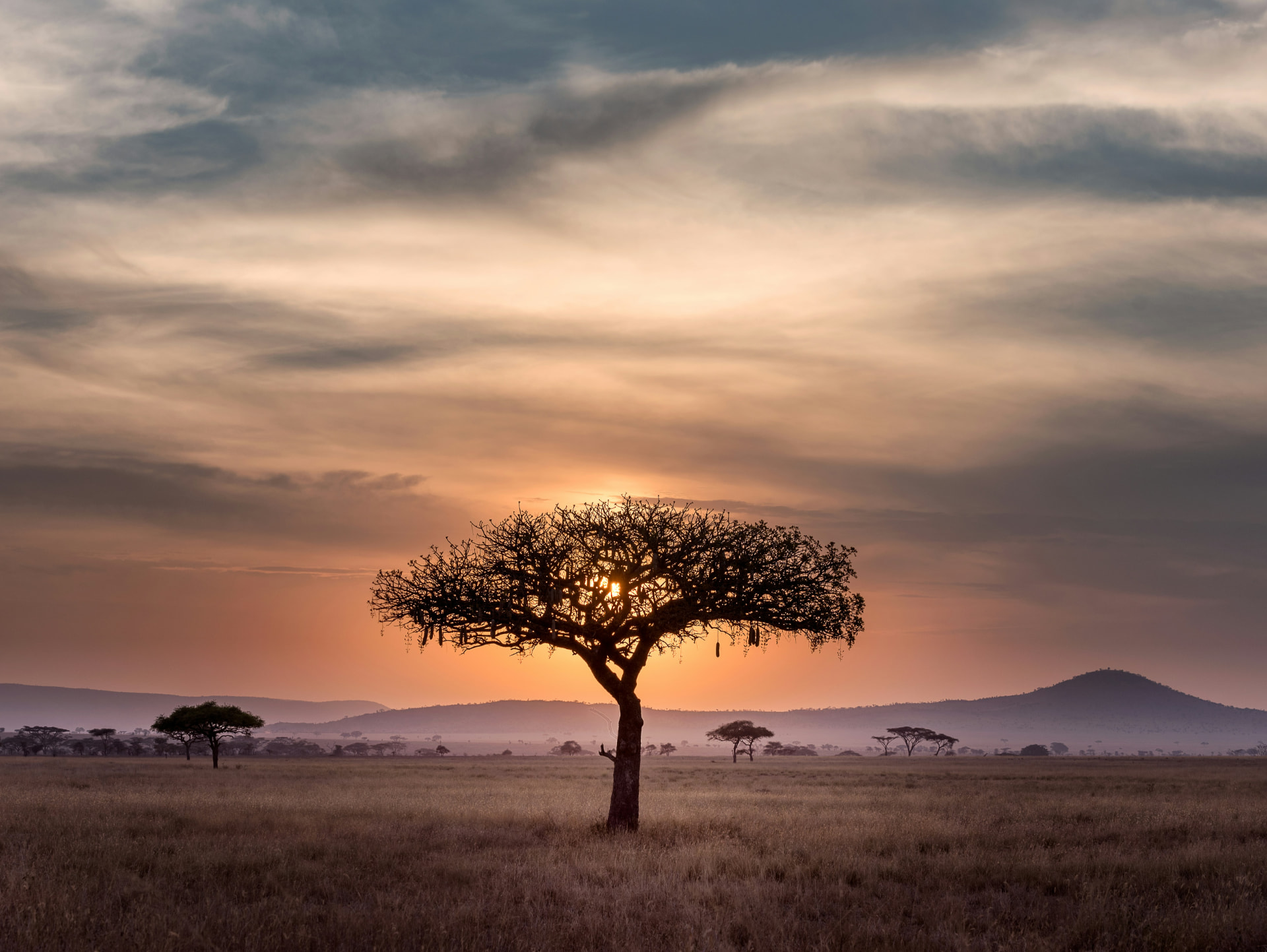
The plains south of Seronera are almost treeless, and the reason is volcanic. Ash blown east from the Ngorongoro highlands set into a hardpan that tree roots cannot break, leaving short grass on soil rich enough in calcium and phosphorus that more than a million animals return to calve on it every February. Serengeti National Park covers some 14,750 square kilometres of it, running north to the Kenyan border, where it continues unfenced into the Maasai Mara. The name is the Maasai siringet: the place where the land runs on forever.
Read the full story →Travel Advice & Access
Light aircraft. Coastal Aviation and Auric Air run the internal network on Cessna Caravans and almost every itinerary uses it. The limit is 15 kilograms per person in soft bags with no rigid frame or wheels, enforced at the aircraft: put it in the client documents in bold and store hard cases in Arusha. Circuits touch down at several strips before yours, so a two-hour sector on paper can be a three-hour morning.
Read the full story →When to Go
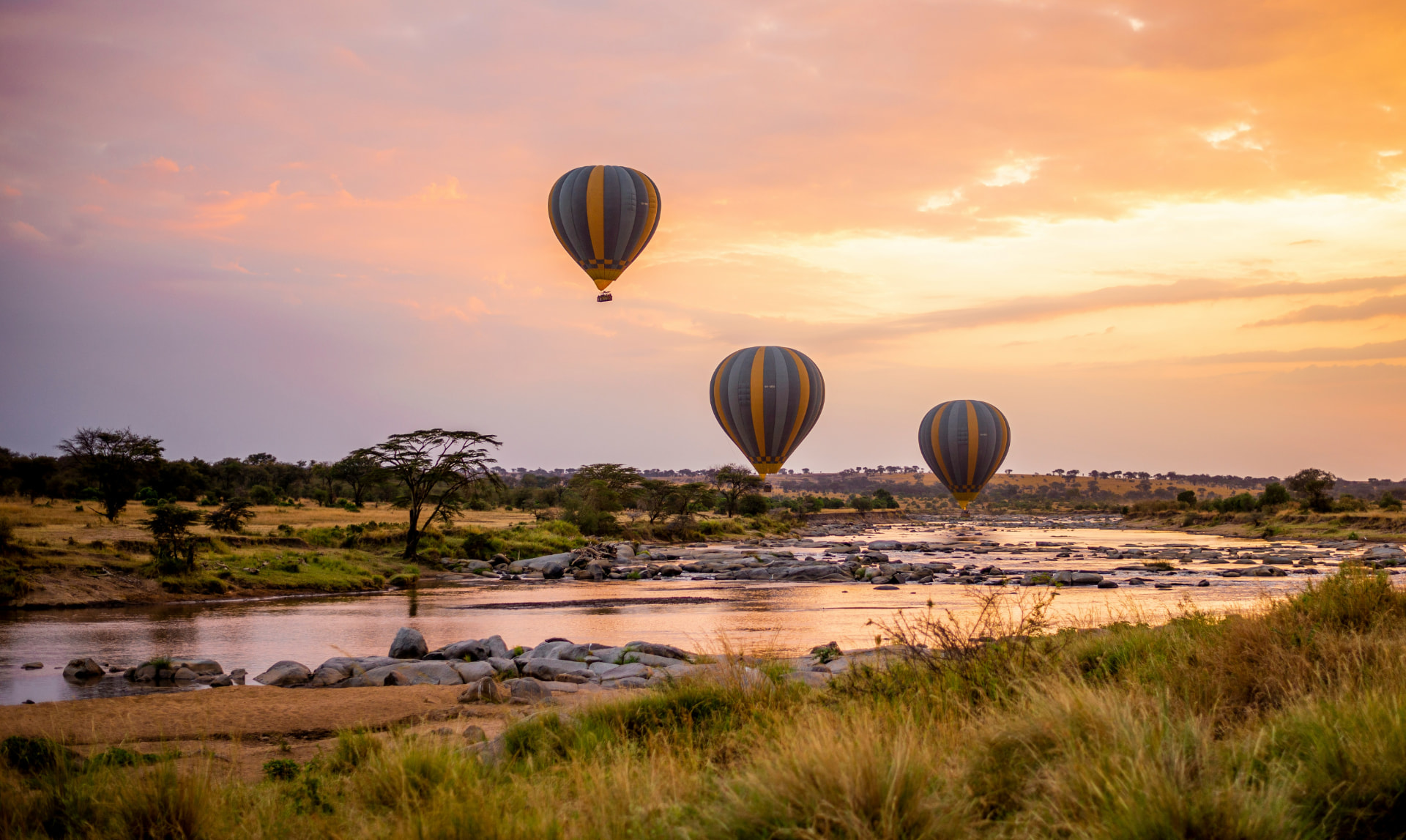
June to October — dry season, and the busiest months. The long rains have ended, grass is short, water is scarce and game concentrates. Tarangire is at its best from June, and from July the herds work the Mara River in the northern Serengeti. Days reach the mid-twenties Celsius and mornings on the crater rim, above 2,200 metres, are genuinely cold. Peak pricing, crater traffic and the best camps sold out a year ahead — but the safest window in which to promise good general game viewing.
Read the full story →