
When to Go
Botswana & Okavango Delta
Water, islands and low-density concessions.
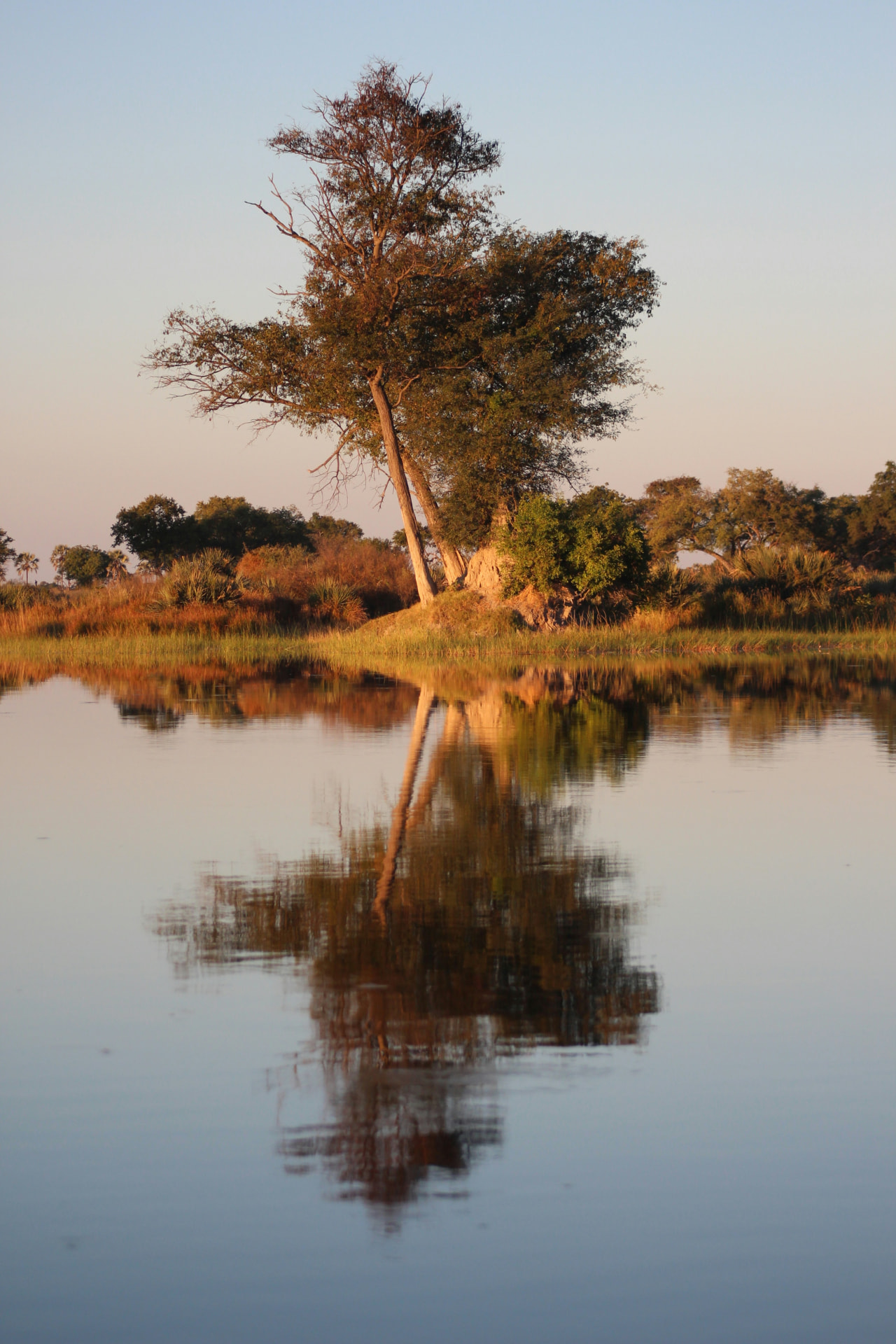
April to June — the flood arrives, and the value sits here. The rains stop in April, humidity drops and the Angolan floodwater begins pushing through. Channels dry in February start to fill, mokoro routes open, and the bush is still green while game moves back towards water. Days run in the high twenties; by June dawn drives are genuinely cold, single figures Celsius and sometimes below freezing in the Kalahari. Rates are shoulder through most of this window and step up in June. Late May is the sharpest buy in the calendar.
July to September — peak dry season, peak flood, peak rates. The paradox in three months: the Delta is at its fullest while the surrounding country has had no rain since March. Surface water elsewhere has gone, the bush has thinned, and game concentrates on the floodplains and perennial rivers in numbers that are hard to overstate. Wild dog denning runs June to August on the Linyanti concessions. Days warm from the mid-twenties in July to the high twenties in September, and mosquitoes are at their annual low.
October to mid-November — hot, and the best game viewing of the year. October is the hottest month, regularly into the mid-thirties, with six months of drought behind it. Everything that drinks is pinned to what water remains, which makes the Chobe and Linyanti waterfronts exceptional and Savuti hard and dramatic. It suits robust travellers and photographers rather than families. The first storms usually break in early to mid-November, with a green flush within a fortnight.
Late November to March — green season, and the Kalahari's moment. Afternoon thunderstorms, low thirties, thick grass and dispersed game make this the weakest window in the Delta and the strongest in the desert. Deception Valley fills with springbok, gemsbok and wildebeest; zebra reach Nxai Pan and the Makgadikgadi grasslands from around December and drop their foals there; birding peaks and the light is the year's best.
The one-month answer. If a client asks for one month, give them August: flood high, bush open, warm days and cool nights, no mosquitoes and no rain risk. September runs it close and is warmer, and October beats both on sightings if the client will tolerate serious heat. For a Kalahari-led trip, give them February.