What makes it special
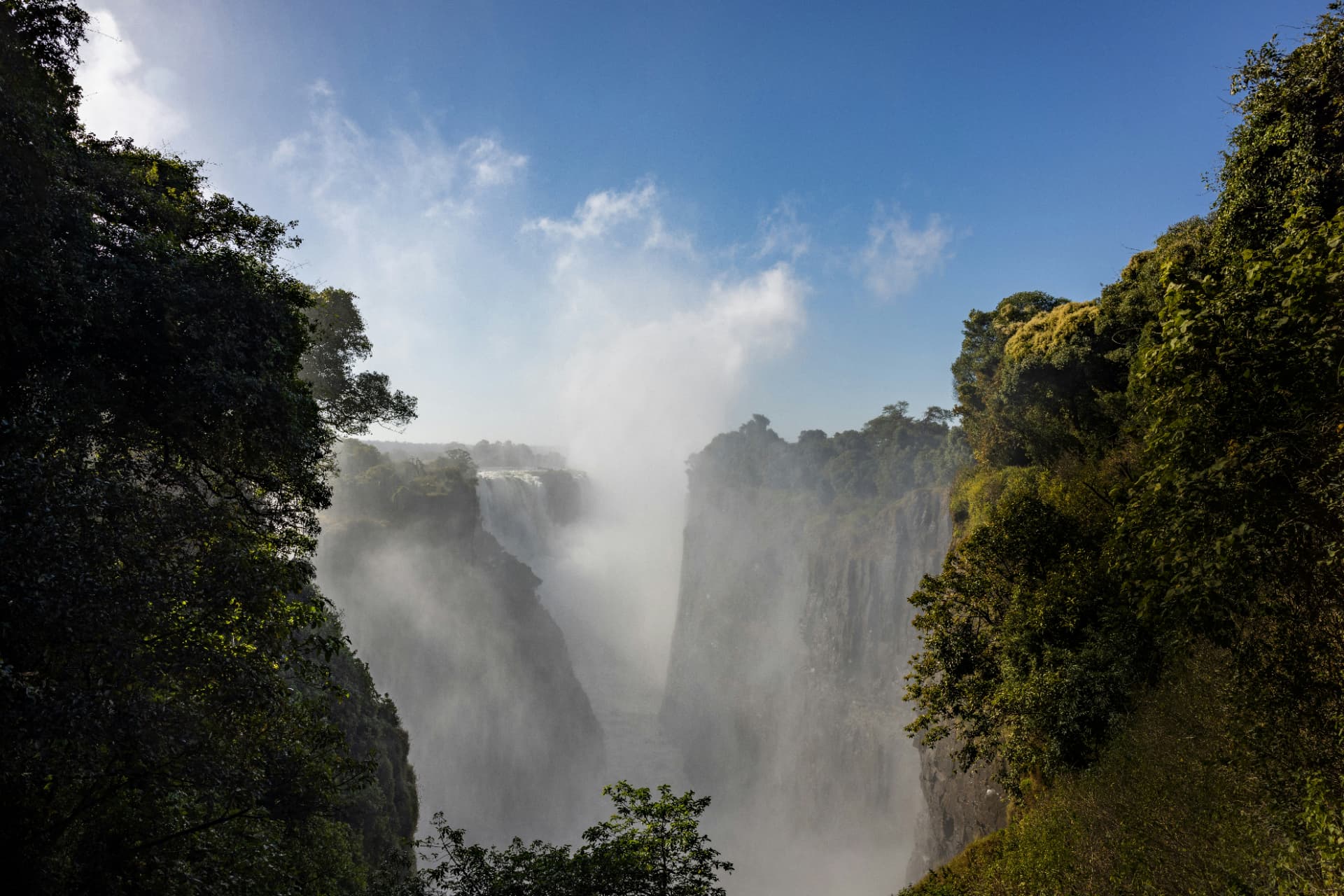
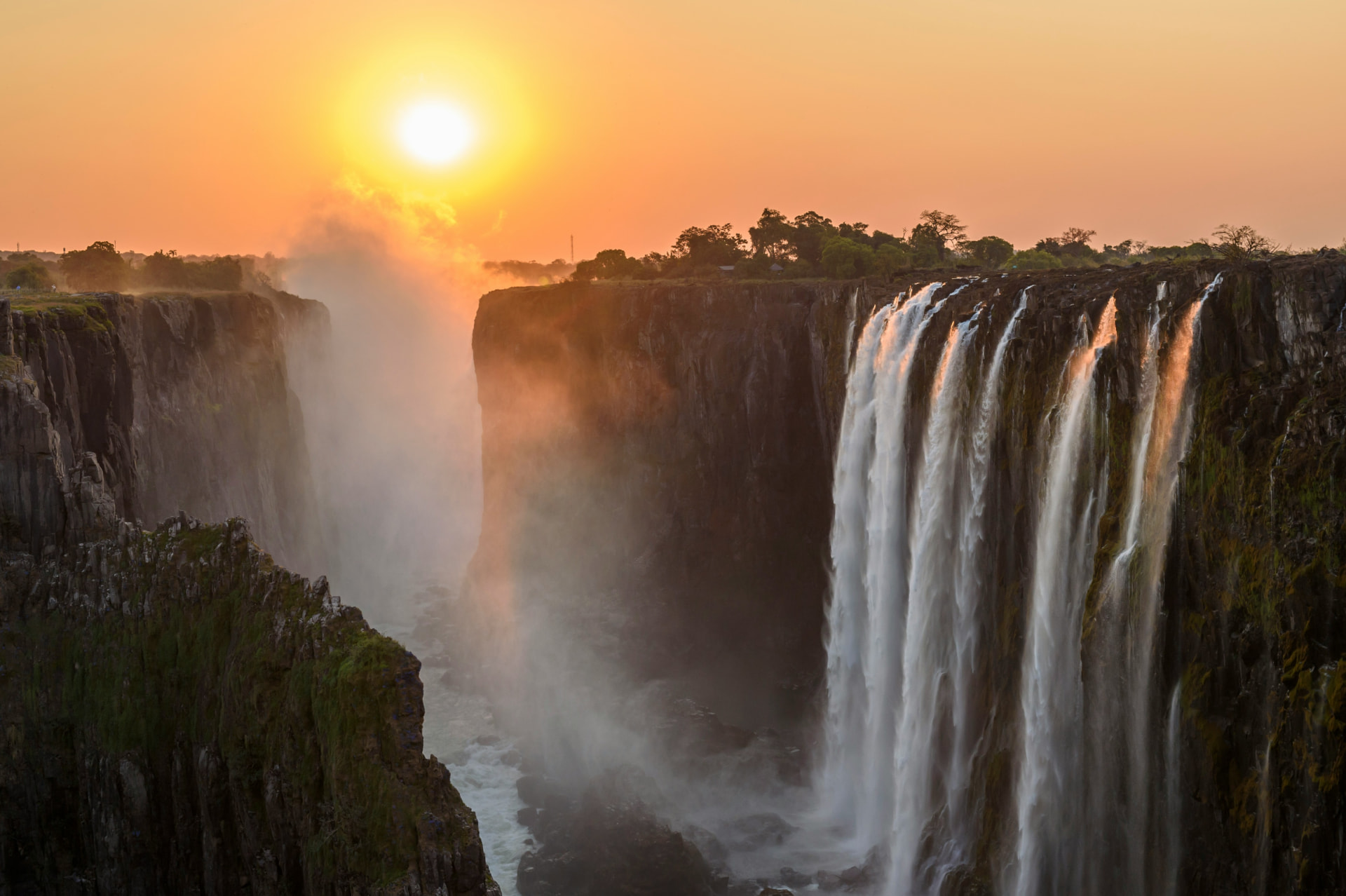
Zimbabwe is a granite plateau held between two rivers: the Zambezi along the northern border, the Limpopo along the southern. The highveld between them runs at 1,200 to 1,500 metres, which is why Harare and Bulawayo are temperate rather than tropical, and why the country's wildlife country lies mostly at the edges, where the land falls away into the Zambezi Valley in the north and the lowveld in the south-east. Eleven national parks, a belt of safari areas and a handful of large private conservancies cover a great deal of ground for a country of this size.
Read the full story →Travel Advice & Access
Light aircraft. Everything beyond the three airports is charter or scheduled light-aircraft seat rate, and this is where the itinerary is really built. Budget 15 to 20 kilograms per person in soft-sided bags with no rigid frame or wheels — hard cases are refused at the aircraft, not at check-in — and put a weight limit in the client documents in bold. Camps hold left luggage in Victoria Falls or Harare. Charter schedules are fixed and a delayed long-haul arrival can cost a full day.
Read the full story →When to Go
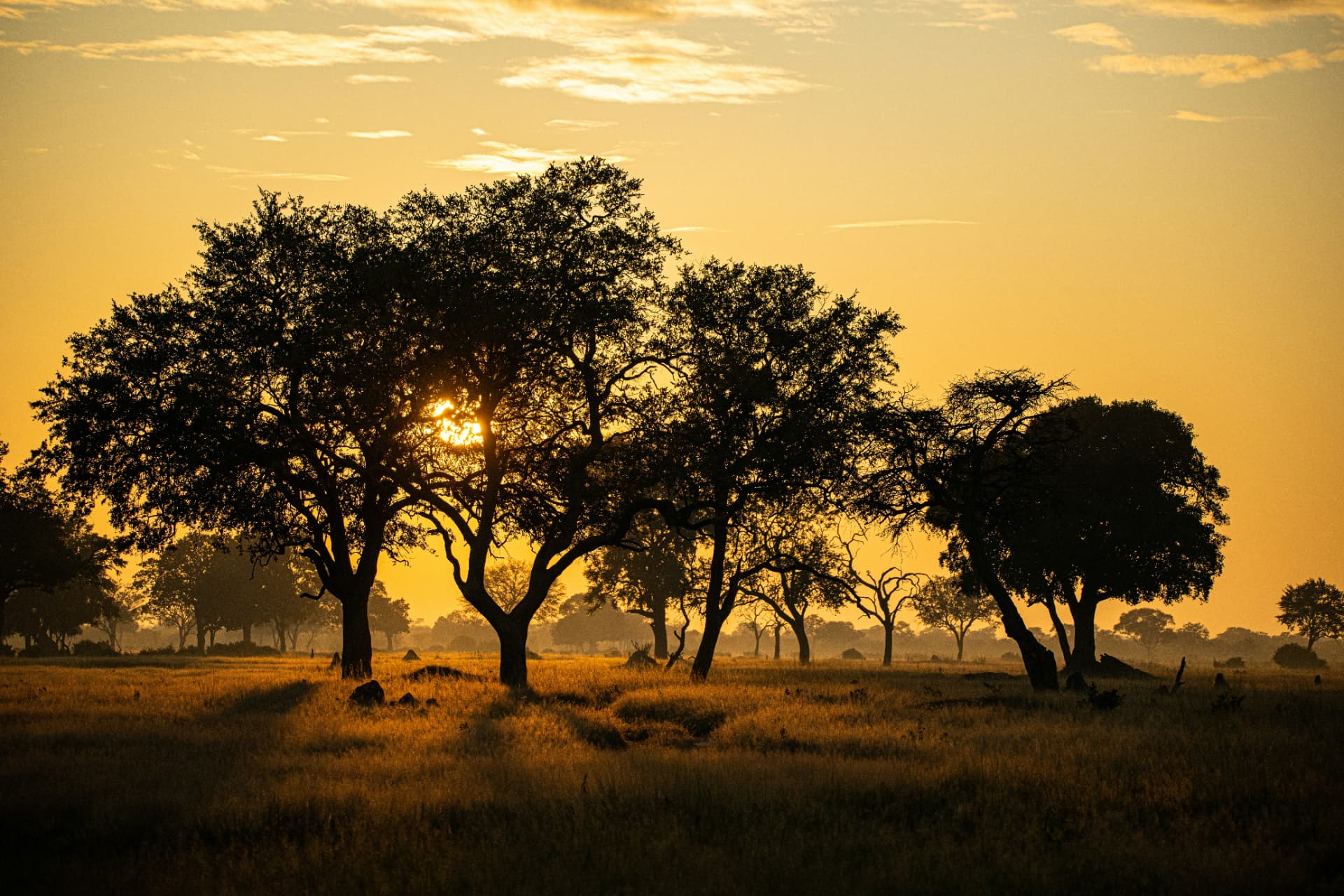
July to September — the core of the season. Surface water disappears, the grass falls away and game concentrates hard: in Hwange onto the pumped pans, in Mana Pools onto the river and the albida forest. Wild dog denning runs through the middle of this window. Days warm through August into the high twenties and low thirties while mornings stay cold, and mosquito numbers are at their annual low. This is when Zimbabwe is at its best and it is priced accordingly. September is the sweet spot — game concentration close to its peak, temperatures not yet punishing.
Read the full story →