South Africa
KwaZulu-Natal & Drakensberg
Mountains, coastline and Zulu heritage on one route.
What makes it special
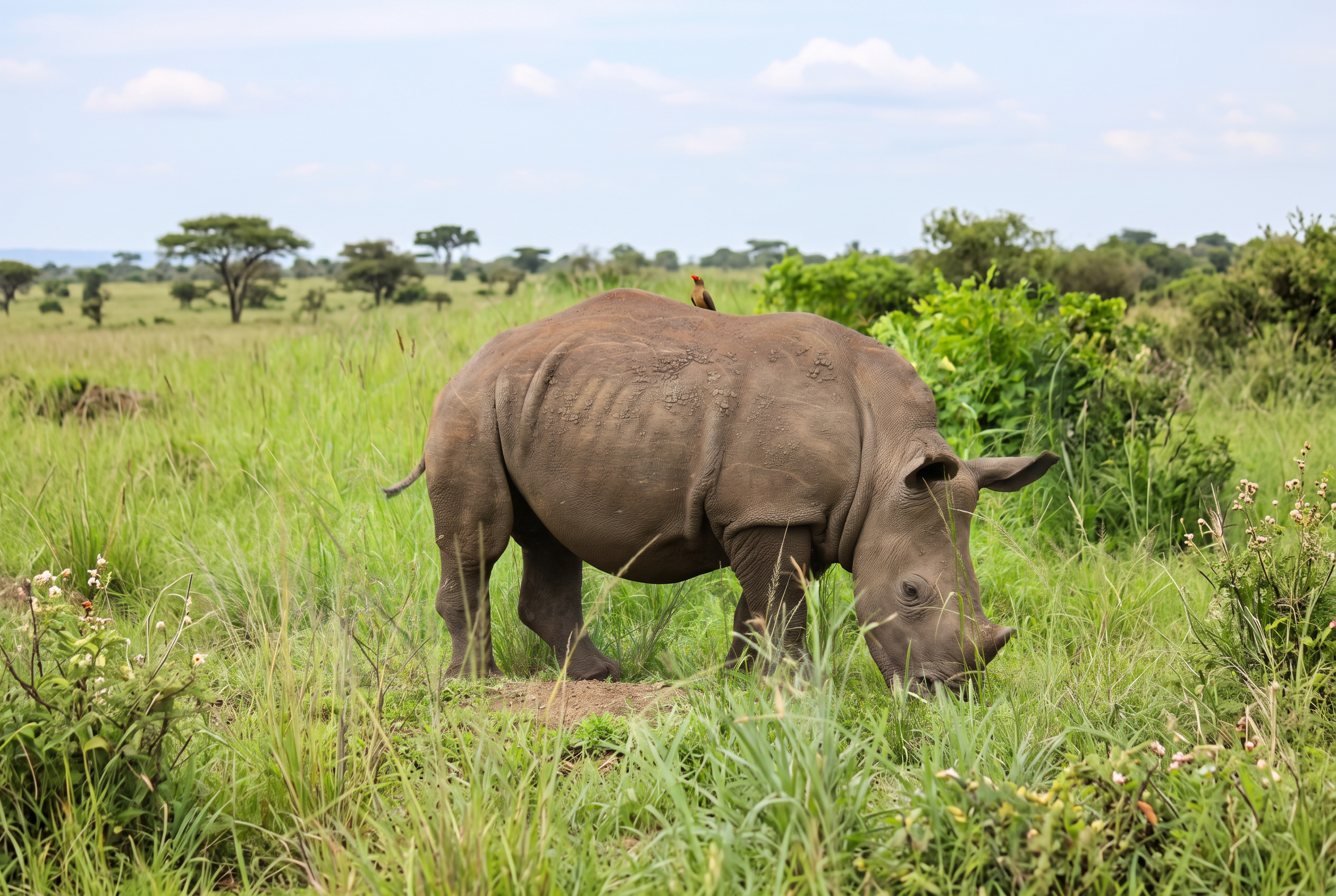
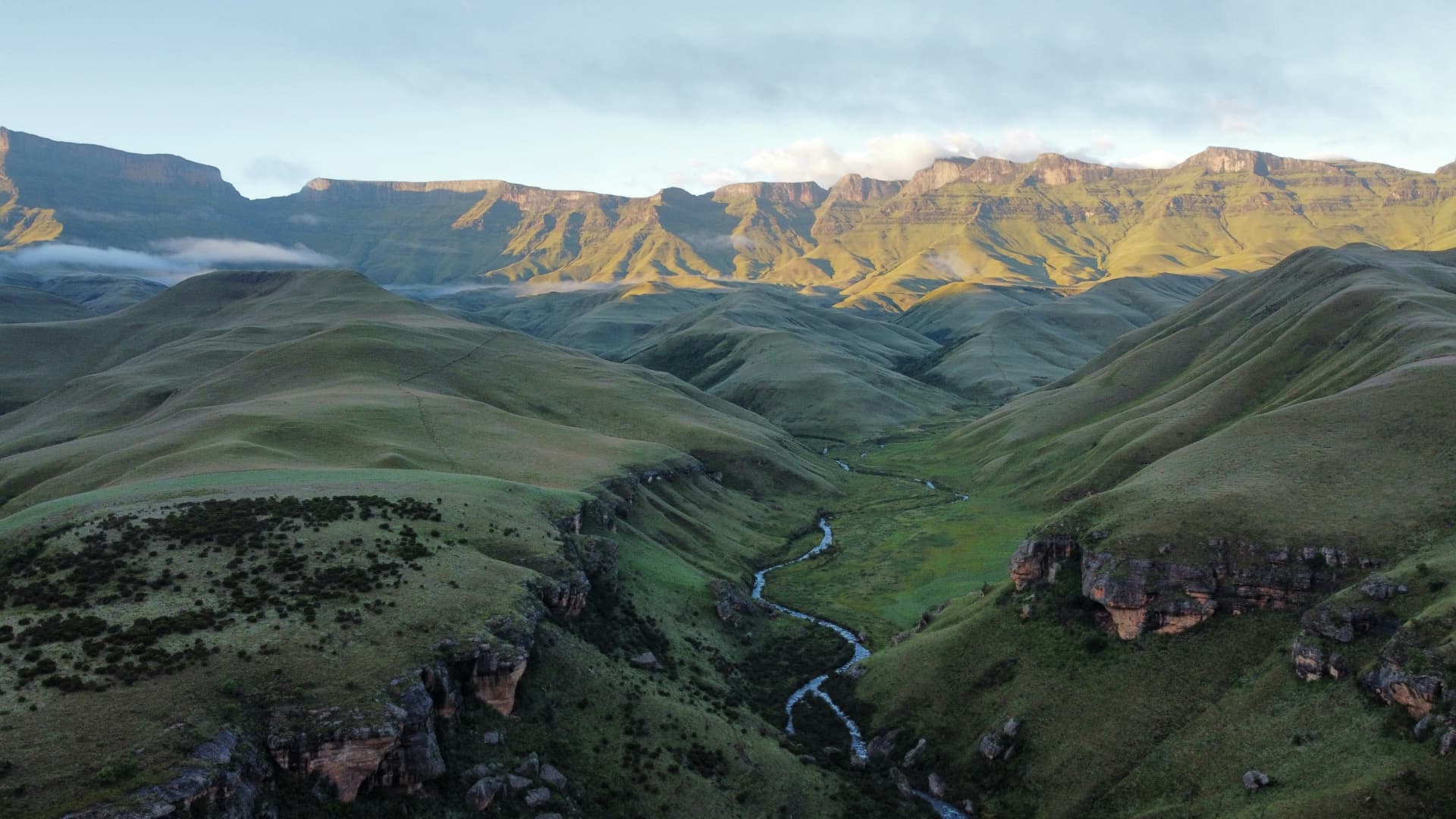
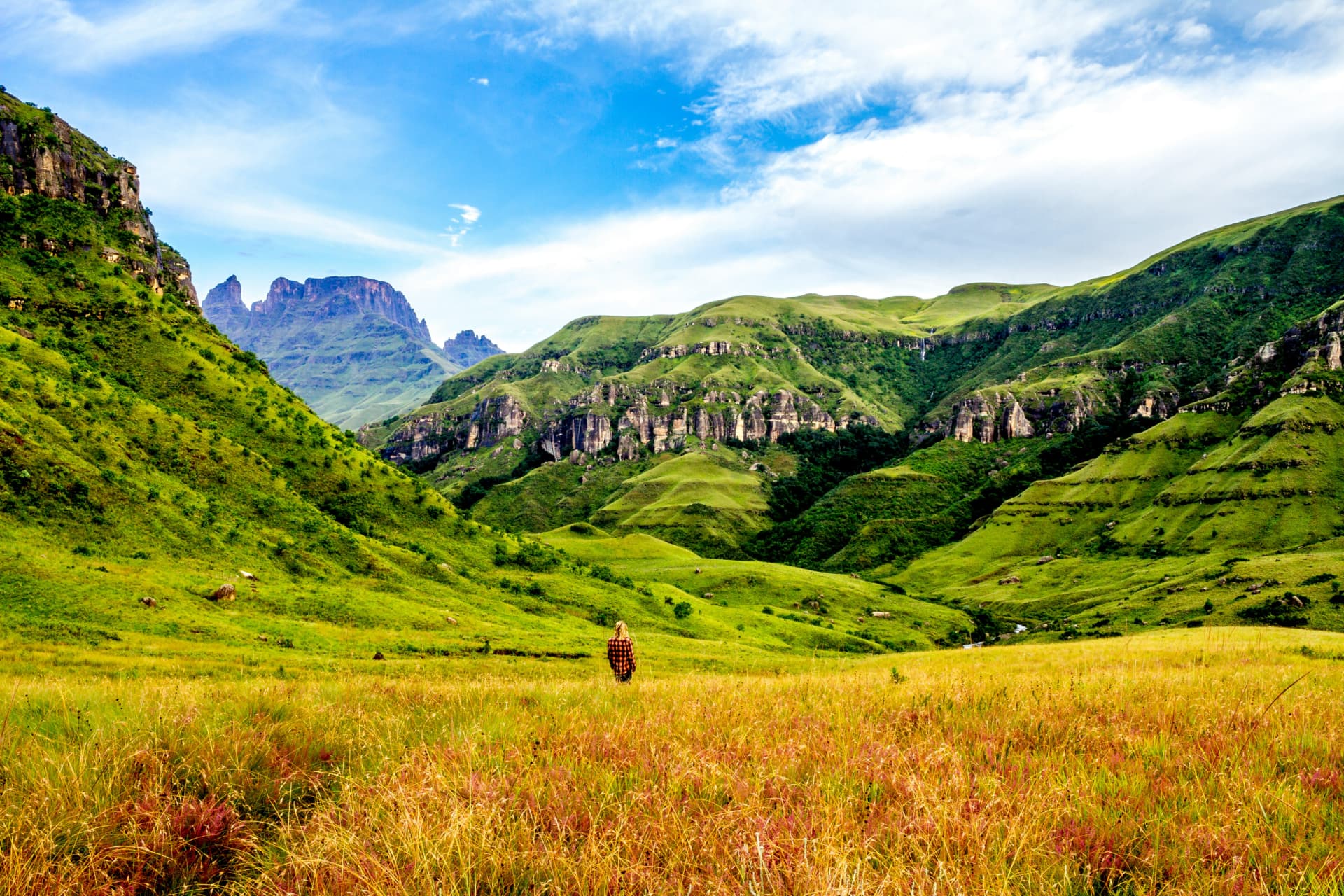
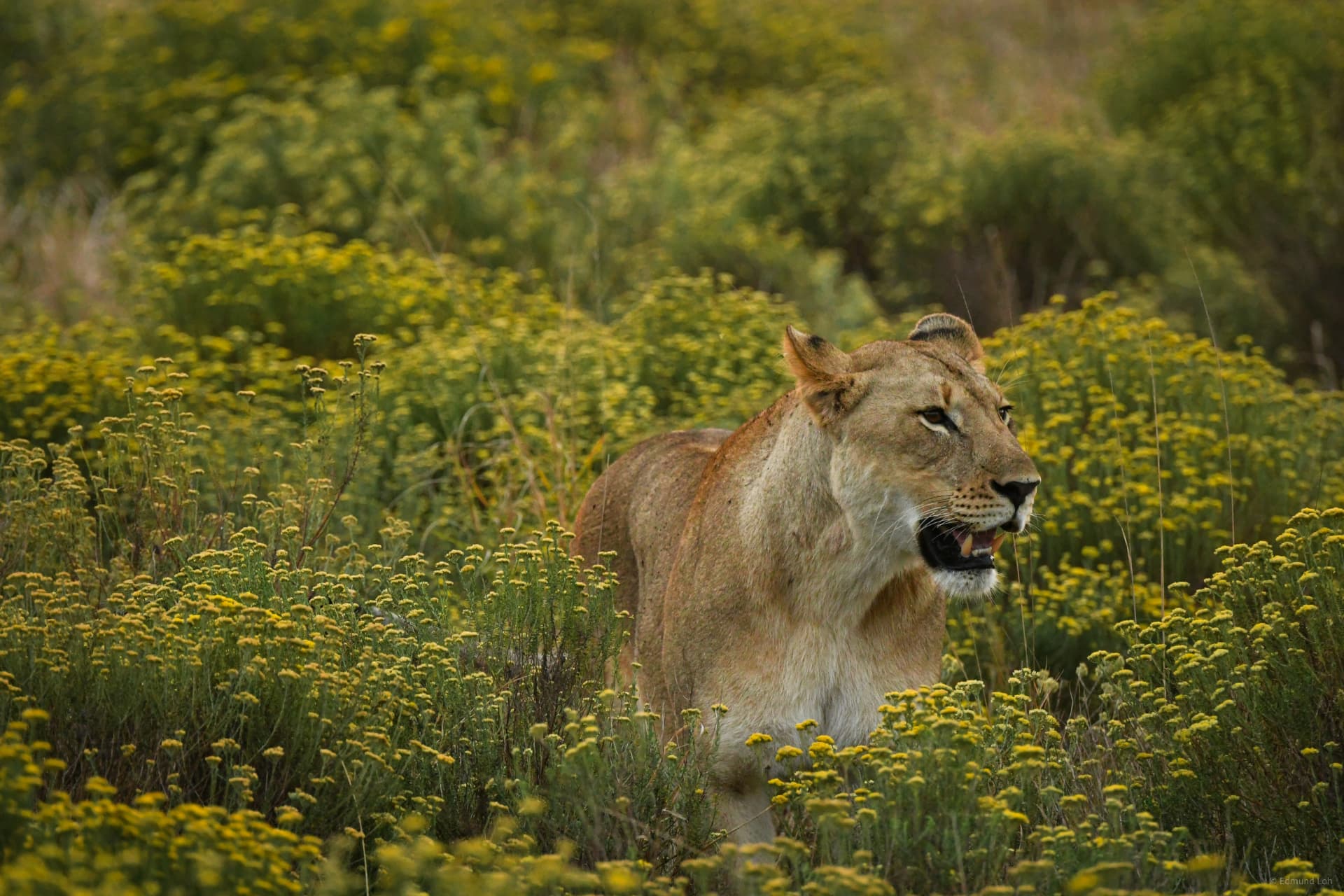
KwaZulu-Natal does something no other South African province manages: it puts Big Five bush, coral reef, high mountain and a serious body of history inside a circuit you can drive in ten days. Some 600 kilometres of Indian Ocean coastline run down its eastern edge, and everything else stacks up behind it in bands — subtropical coastal plain, the thornveld and sand forest of Zululand, the farmland of the Midlands, then the basalt wall of the Drakensberg, topping out at Mafadi on the Lesotho border at 3,450 metres, the highest point in South Africa.
Read the full story →Travel Advice & Access
Light aircraft. Phinda has its own airstrip and Federal Airlines runs scheduled shuttles into it from Johannesburg — the most efficient way to open an itinerary here, and the routing for clients who will not drive. Soft bags only, no hard cases, and a limit usually of 20kg per person including hand luggage. Confirm the figure at booking and warn clients early; it is the commonest cause of friction on departure day.
Read the full story →When to Go
May to September — the dry season, and the one to sell. The Zululand bush thins and browns, water concentrates and sightings improve week by week; August and September are the sharpest of the year. Daytime highs sit around 24–26°C in the lowveld with cold, clear nights. The Drakensberg is at its best — hard frost, snow on the escarpment, real clarity, almost no rain — though mountain lodges get genuinely cold and clients should pack for it. Humpback whales pass between June and November, and the sardine run moves up the South Coast in June and July with the sharks, dolphins, gannets and whales that follow it.
Read the full story →